By Brian Bouldrey, South 85 Artist-in-Residence
Saul Bellow, so often associated with Chicago, was born in Quebec and died in suburban Boston, two very different places with different moods conveyed by different modes. When he was 29, he wrote his first novel, Dangling Man, about his grad student life at University of Chicago during WWII. He dangles because he has been called up by the draft but has yet to receive specific orders to report for duty. He can’t read or write, he can only dangle. Sidelined in a long Chicago winter, he is walking along noticing the space between street and sidewalk, the place where snow is piled over the cold months, and the place where various debris reveals itself as the snow melts away. He writes:
In the upper light there were small fair heads of cloud turning. The Chicago streets, in contrast, looked burnt out; the chimneys pointed heavenward in open-mouthed exhaustion. The turf, intersected by sidewalk was bedraggled with the whole winter’s deposit of deadwood, match cards, cigarettes, dogmire, rubble. The grass behind the palings and wrought-iron frills was still yellow, although in many places the sun had already succeeded in shaking it into livelier green. And the houses, their doors and windows open, drawing in the freshness, were like old drunkards or consumptives taking a cure. Indeed, the atmosphere of the houses, the brick and plaster and wood, the asphalt, the pipes and gratings and hydrants outside, and the interiors—curtains, bedding, furniture, striped wall-paper and horny ceilings, the ravaged throats of entry halls and the smeary blind eyes of windows-this atmosphere, I say, was one of an impossible hope, the hope of an impossible rejuvenation.
-Saul Bellow, “March 25”, Dangling Man, 1944
There is no joy in Mudville. But one man’s trash can be the same man’s treasure if he’s in a better mood. Here is Bellow writing in Humboldt’s Gift about the same darn thing, 60 years old and feeling a bit better about the junk in the melt:
In the Twenties kids in Chicago hunted for treasure in the March thaw. Dirty snow hillocks formed along the curbs and when they melted, water ran braided and brilliant in the gutters and you could find marvelous loot—bottle tops, machine gears, Indian-head pennies. And last spring, almost an elderly fellow now, I found that I had left the sidewalk and that I was following the curb and looking. For what? What was I doing? Suppose I found a dime? Suppose I found a fifty-cent piece? When then? I don’t know how the child’s soul had gotten back, but was back. Everything was melting. Ice, discretion, maturity.
-Saul Bellow, Humboldt’s Gift, 1975
These two descriptions by the same writer about the same Chicago March thaw are cast in the discursive mode, a middle form, something both prosaic and elegant. Discursive passages can be narration, argument, exposition, description, satire, even cheerful fun. It is not elevated or passionate, but shows a wider range, a wider modulation in tone. It’s sincere. From the middle ground, a writer can move more easily to higher flights and lower tumbles. It is a common ground. Think of the coarse grasses that bind and protect, and also ward off the noxious and invasive growths.
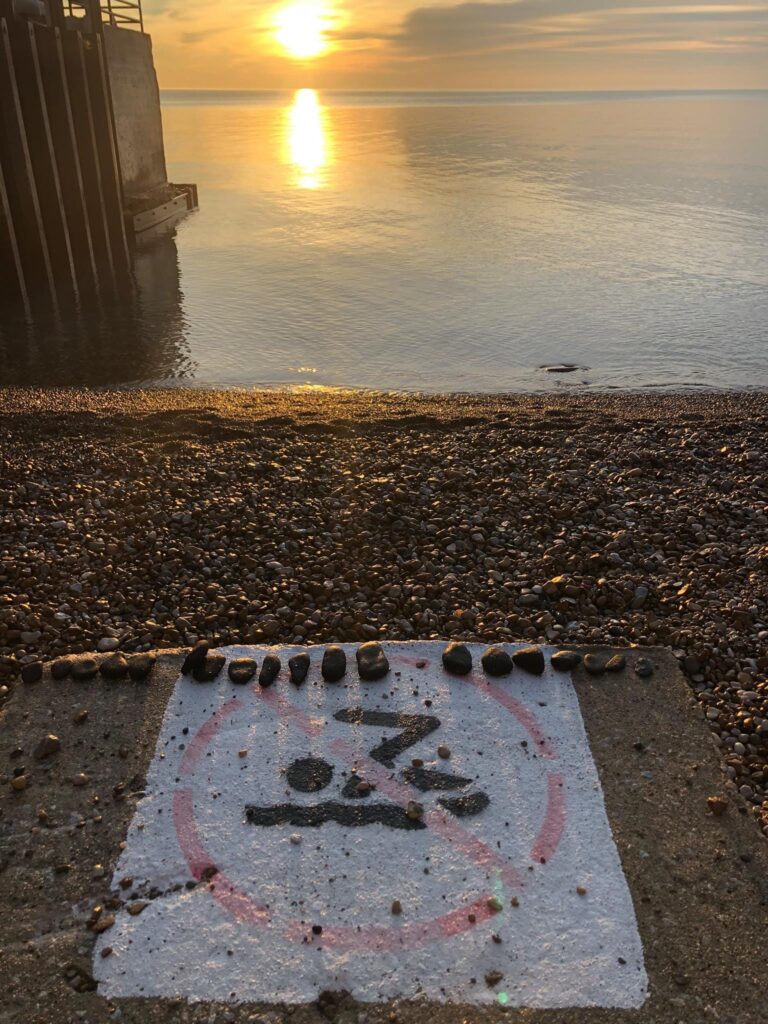
Does the discursive mode exist in other arts? Music, painting, ballet, photography? I spent the month of March in Chicago photographing things that reveal themselves as the layers of snow and ice melt away along the coast of Lake Michigan. Here are my discursive findings.
See Brian Bouldrey’s portfolio of photos here.