reposted with permission from www.workinprogressinprogress.com
We don’t expect an elevator pitch from a poet, but can you tell us about your work in 2-3 sentences?
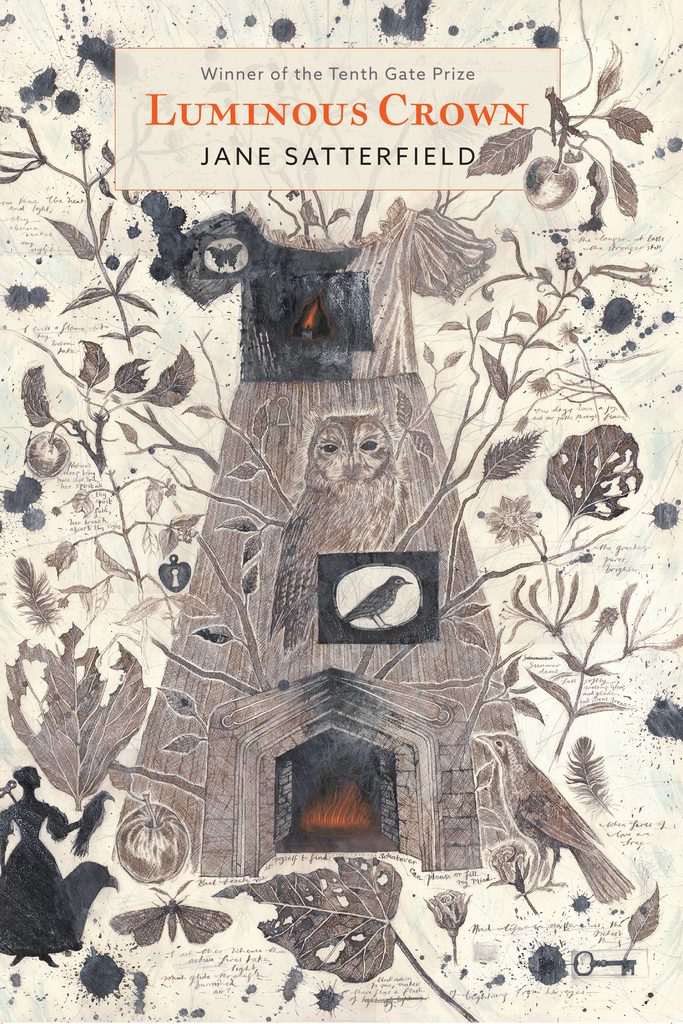
You’re right: poetry collections tend to weave many threads together, but I’ll give it a shot! At its core, Luminous Crown is a direct response to the climate crisis and a lyric chronicle of its effects on the human and natural world. The book moves through poems of elegy for species facing extinction or habitat loss to poems of encounter with creatures real or cryptid who populate our local landscapes and appear in art, folklore, or legend, to poems of enchantment that seek healing or renewal. Ultimately, the book celebrates the wonders of our living world and, I hope, asks readers to consider all that’s at stake for the future.
Which poem/s did you most enjoy writing? Why? And which poem/s gave you the most trouble, and why?
Hands down, the most enjoyable poems were those reflecting on animal observation or surprise encounters, like “Fox” which pays tribute to the scrappy urban interlopers, or the more speculative “Joining the Crows” where the poem’s narrator recalls her misguided attempts to become one of “nature’s real clean-up crew.”
It’s important to me to honor the animal other—not just to use them as metaphors or emblems of emotion. Developing a stronger scientific underpinning meant reading lot, particularly nonfiction about the natural world, the lives of birds, mycorrhizal networks, insect emergence, and so on, which I loved. But the price of deepening ecological awareness is coming face-to-face with a host of human-generated harms and frightening predictions. This was the case with a poem like “Dragonfly or Drone?” which braids together facts and folklore about dragonflies with info from experiments on their potential use for package deliveries, military surveillance, and more. Most poems required a lot of rewriting to create a balance in terms of tone—it’s all too easy to tip into preachiness, sentimentality, or doomerism when facing down dark subjects.
Tell us a bit about the highs and lows of your book’s road to publication.
This book was built on the environmental and social justice aspects of my last collection, The Badass Brontës. The connections between our historical eras seemed less distant than I once would have imagined; Emily, Charlotte, and Anne’s love of animals was such an inspiration, and the backdrop of botanizing in their novels inspired poems about my own ecotone. It took me a while to figure out I was writing two separate books. I had my share of rejections and also good fortune placing individual poems in journals I admire. It was still a was a delightful surprise that this book—unlike any of my others—found a home on its first round of submission flights. Truly, you just never know!
What’s your favorite piece of writing advice?
I love Susan Orlean’s advice about the importance of being curious. It’s the winding trail that leads you to explore other work and is a return path to your own projects, formed and as yet unimagined.
My favorite writing advice is “write until something surprises you.” What surprised you in the writing of this book?
I’ve enjoyed the challenges of writing ekphrastic poems; works like Kiki Smith’s sculpture, Selkie, or Brueghel’s Big Fish Eat Little Fish opened doors into memory and added a powerful dimension to the collection. Kim Krans’ Wild Unknown Tarot was a new discovery and cool source of uncanny inspiration.
How did you find the title of your book?
The title and title poem found me in the form of stand of trees outside my studio and a firefly rinsed out from my hair the morning after a night walk with my spouse during our residency at VCCA: once I was luminous!